Dog Anal Gland Problems: Signs, Causes and How to Help Prevent Them
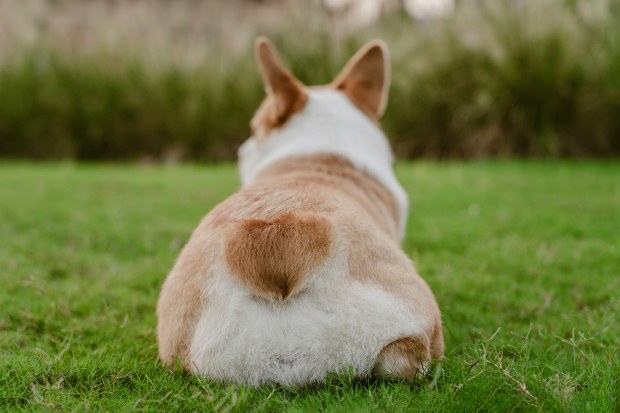
Is your dog scooting across the carpet, licking their bottom more than usual or leaving an unpleasant smell behind?
These behaviours can be signs of anal gland problems, a common issue in dogs that can cause discomfort if left untreated.
The good news is that understanding how your dog's anal glands work, recognising the early warning signs and supporting healthy digestion may help reduce the risk of recurring problems.
In this guide, we explain what anal glands are, why they sometimes become blocked and how you can help support your dog's anal gland health.
What are anal glands in dogs?
Anal glands (anal sacs) are two small sacs located either side of your dog's anus. They contain a strong-smelling secretion used for scent communication between dogs.
Normally, small amounts of this secretion are released when your dog passes faeces, helping the sacs empty naturally. However, if they don't empty properly, the contents can build up and lead to blockages, inflammation or infection.
Why do dogs develop anal gland problems?
There isn't one single cause of anal gland problems. Several factors can affect how effectively the sacs empty.
1. Insufficient dietary fibre
Diet can play an important role in supporting normal anal gland function.
When a dog passes well-formed stools of an appropriate consistency and bulk, the pressure created during defecation can help the anal sacs empty naturally. If stools are consistently soft or lack sufficient bulk, this process may be less effective.
A diet that provides appropriate levels of fibre can help support healthy digestion and stool formation. For some dogs, a fibre supplement may also be beneficial.
2. Breed and body size
Some dogs are more predisposed to anal sac disorders than others. Smaller breeds are generally considered more susceptible, although dogs of any size can be affected.
A UK study identified increased odds of anal sac disorders in several breeds, including:
-
Cavalier King Charles Spaniels
-
King Charles Spaniels
-
Cockapoos
-
Shih Tzus
-
Bichon Frises
-
Cocker Spaniels
Breed predisposition doesn't mean a dog will inevitably develop problems, but it may be worth paying closer attention to recurring symptoms in dogs that are more susceptible.
3. Overweight body condition
Maintaining a healthy weight is important for your dog's overall wellbeing. Excess weight may affect the normal mechanics of anal sac emptying, potentially increasing the risk of problems.
If your dog is overweight, speak to your veterinary practice about an appropriate weight-management plan.
4. Soft stools and digestive problems
Dogs experiencing recurrent diarrhoea, persistently soft stools or other digestive disturbances may be more prone to anal gland issues because their stools may not provide the pressure needed for effective emptying.
If your dog's stool consistency has changed, particularly if the problem persists or keeps returning, your vet can help investigate the cause.
5. Allergies and skin inflammation
Some dogs with allergic skin disease or other inflammatory conditions may also experience anal sac problems. Inflammation around the area and concurrent skin irritation can contribute to discomfort.
If your dog regularly licks their bottom, has itchy skin or suffers from recurring ear or skin problems, mention these symptoms to your vet so they can assess the bigger picture.
*A valid veterinary prescription is required for some of these medications*
Common anal gland problems in dogs
Anal gland issues can range from a straightforward impaction to a painful infection. Understanding the differences can help you recognise when your dog needs veterinary attention.
Blocked or impacted anal glands
Impaction occurs when the anal sacs fail to empty adequately and their contents accumulate, often becoming thick and difficult to release.
Common signs include:
-
Scooting or dragging their bottom along the floor.
-
Licking or biting around their anus.
-
A strong, unpleasant or fishy smell.
-
Discomfort when sitting.
-
Straining or showing discomfort when passing faeces.
Some dogs may show only subtle signs, while others become increasingly uncomfortable.
A vet can examine the anal sacs and determine whether they need to be emptied and whether further treatment is required.
Anal gland inflammation or infection
When anal sac contents accumulate, inflammation and bacterial overgrowth can sometimes develop. This may cause increasing discomfort, swelling and pain.
Your dog may lick the area persistently, seem reluctant to sit down or become unsettled when passing stools.
Infected anal sacs may require more than manual expression, so veterinary assessment is important.
Anal gland abscess
An anal gland abscess is a more serious complication in which infection leads to a build-up of pus within the affected sac.
Signs may include:
-
Swelling, redness or a painful lump beside the anus.
-
Significant pain or distress.
-
Blood or pus draining from the area.
-
A wound or hole in the skin close to the anus.
-
Lethargy or a change in normal behaviour.
If you suspect an anal gland abscess, contact your vet promptly. An abscess can be extremely painful and may need veterinary treatment, including drainage and medication where appropriate.
Never attempt to squeeze an abscess or treat it by expressing the glands yourself.
When should you contact your vet?
If your dog has never experienced anal gland problems before and suddenly starts scooting, persistently licking their bottom or showing signs of discomfort, arrange a veterinary examination rather than assuming their glands are blocked.
These signs can be associated with other conditions, including skin irritation, parasites, wounds and other problems affecting the anal area. A vet can establish the cause and recommend the appropriate treatment.
Seek prompt veterinary attention if your dog has swelling, significant pain, blood or pus around the anus, an open wound, difficulty passing faeces or seems unwell.
If your dog has recurring anal gland problems, your vet can help identify whether diet, stool consistency, allergies, weight or another underlying issue may be contributing.
How can you help prevent anal gland problems in dogs?
Although not every case can be prevented, there are several practical steps that may help support normal anal gland function and reduce the likelihood of recurring issues.
1. Feed a balanced diet with appropriate fibre
A complete, balanced diet suited to your dog's age, size and individual needs provides the foundation for good digestive health.
Dietary fibre helps regulate digestion and supports normal stool formation. For some dogs, producing well-formed stools with sufficient bulk may help the anal sacs empty more effectively during defecation.
If your dog regularly produces soft stools or has a history of anal gland problems, ask your vet whether their current diet is appropriate and whether a dietary adjustment could help.
Avoid making sudden changes to your dog's food, as these can cause digestive upset.
We stock a wide variety of veterinary recommended diets >>
2. Consider a fibre supplement
If your vet recommends increasing your dog's dietary fibre, a suitable supplement may help support healthy digestion, stool bulk and normal anal gland function.
Farm Vet Supplies stocks products from Protexin that can help support these needs.
Protexin Pro-Fibre Advanced Digestive Support
Pro-Fibre Advanced contains sources of soluble and insoluble fibre, alongside prebiotic and probiotic ingredients, to support normal digestive function, stool formation and healthy anal glands.
It's an easy-to-give pellet supplement that can be added to your dog's daily food according to the product directions or your veterinary professional's advice.
Shop Protexin Pro-Fibre Advanced >>
Protexin Pro-Fibre Cat/Dog
This multi-source fibre supplement is formulated to support normal digestion, stool size and anal gland function in dogs and cats. It may be particularly useful to discuss with your vet if your dog experiences recurring anal gland problems associated with insufficient dietary fibre.
Shop Protexin Pro-Fibre Cat/Dog >>
Both products are intended to support digestive health and normal anal gland function; they are not treatments for an already blocked, infected or abscessed anal sac.
Always follow the product's feeding instructions and seek veterinary advice before introducing a supplement, particularly if your dog has an existing medical condition or follows a prescribed diet.
3. Maintain a healthy weight
Keeping your dog at a healthy body condition can support normal movement, muscle function and general wellbeing.
Measure food portions carefully, account for treats and make sure your dog gets suitable daily exercise. If your dog needs to lose weight, your veterinary practice can help you develop a safe, achievable plan.
4. Monitor your dog's stools
Your dog's poo can provide useful clues about their digestive health.
Pay attention to whether stools are consistently well formed, unusually soft, watery or difficult to pass. Persistent changes should be discussed with your vet, especially if they occur alongside scooting, licking or other signs of anal gland discomfort.
Addressing ongoing digestive problems may help support normal anal sac emptying.
5. Don't express healthy anal glands unnecessarily
Not every dog needs regular manual anal gland expression. Many dogs empty their anal sacs naturally without any assistance.
Repeated expression isn't a guaranteed way to prevent future problems, and unnecessary or forceful manipulation can cause irritation. If your dog repeatedly needs their glands emptied, ask your vet to investigate the underlying cause and advise on an appropriate management plan.
Supporting your dog's anal gland health
Anal gland problems are common, but recognising the signs early can help prevent unnecessary discomfort and identify cases that need treatment.
A balanced diet, appropriate fibre intake, healthy body condition and good digestive health can all play a role in supporting normal anal gland function. For dogs with recurring issues, your vet can help determine whether a dietary change or fibre supplement may be beneficial.
If your dog suddenly starts scooting, licking their bottom or showing signs of pain, don't assume their anal glands are to blame. Seek veterinary advice to establish the cause, particularly if symptoms are new, persistent or accompanied by swelling or discharge.
Looking to support your dog's digestive health? Explore the Protexin digestive supplements available from Farm Vet Supplies and speak to your veterinary practice about the most suitable option for your dog.
Dog Digestion & Anal Gland Support-
-
Posted by Farm Vet Supplies
13th October 2026




SUPPLYING TO FARMERS, VETERINARY PRACTICES & PET OWNERS ACROSS THE UK, ROI AND NORTHERN IRELAND