Dog Mobility Health Check: Is Your Dog Slowing Down?
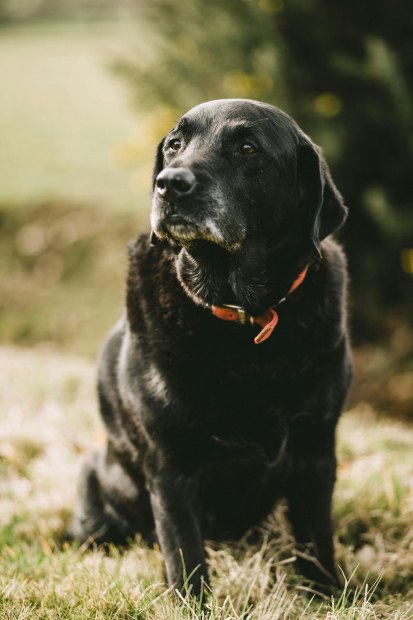
As dogs get older, it's natural for them to slow down a little. However, gradual changes in mobility can be easy to miss because they often happen over weeks or months.
Our simple mobility health check can help you spot early signs that your dog may be experiencing discomfort or reduced mobility.
Please note: This checklist is intended as a guide only and should not replace advice from your veterinary surgeon. If you're concerned about your dog's mobility or notice any sudden changes, always seek veterinary advice.
Mobility Health Check
Work through the questions below and answer Yes or No.
The questions highlight daily changes, changes in behaviour, exercise & movement.
What Do Your Answers Mean?
0–2 "Yes" answers
Your dog's mobility appears to be good. Continue providing regular exercise, maintain a healthy weight and keep an eye out for any future changes.
3–5 "Yes" answers
You may have noticed some early changes in your dog's mobility. It would be sensible to monitor these signs and consider discussing them with your veterinary surgeon at your dog's next health check.
6 or more "Yes" answers
Multiple changes in mobility could indicate that your dog would benefit from a veterinary examination. Early assessment can help identify the cause of reduced mobility and allow your vet to discuss the most appropriate management options.
Supporting Your Dog's Mobility
There are several ways to help keep your dog comfortable and active throughout their life:
- Maintain a healthy body weight.
- Provide regular, appropriate exercise.
- Avoid sudden bursts of strenuous activity after long periods of rest.
- Use non-slip mats on slippery flooring where needed.
- Speak to your veterinary surgeon if you notice any changes in your dog's movement or behaviour.
Don't Ignore Small Changes
Many owners assume their dog is "just getting older," but reduced mobility is not always an inevitable part of ageing. Small changes are often the first signs that something isn't quite right.
By recognising these changes early and seeking veterinary advice when needed, you can help your dog stay comfortable and enjoy an active, happy life for longer.
For more information, feel free to read our blog: Managing Arthritis in Dogs
Read Now-
Posted by Farm Vet Supplies
3rd August 2026




SUPPLYING TO FARMERS, VETERINARY PRACTICES & PET OWNERS ACROSS THE UK, ROI AND NORTHERN IRELAND