Mastitis Prevention in Cows and Ewes
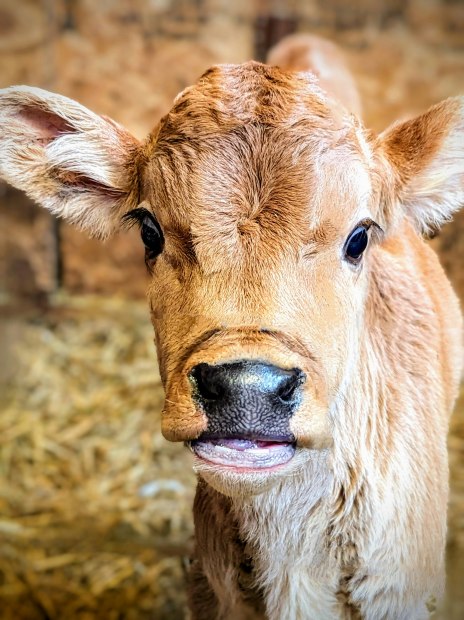
Lambing and calving season is one of the busiest and most rewarding times of the year for livestock farmers. However, it’s also a period when animals are more vulnerable to health issues — including mastitis.
Mastitis is an inflammation of the udder, most commonly caused by bacterial infection. It can reduce milk production, affect lamb or calf growth, and lead to long-term udder damage if not managed quickly. Preventing mastitis is therefore key to maintaining herd and flock health and protecting productivity during the early lactation period.
In this guide, we’ll cover the main causes of mastitis in cows and ewes, how to recognise the signs, and practical steps farmers can take to prevent it during the critical weeks around lambing and calving.
Why Mastitis Risk Increases During Lambing and Calving
The period around birth is stressful for both cows and ewes. Stress, environmental conditions, and changes in nutrition all increase the likelihood of mastitis.
Bacteria are usually responsible for mastitis infections, entering through the teat canal and infecting udder tissue. These pathogens can come from the environment, other infected animals, or contaminated equipment.
Additionally, the teat canal remains open for a period after milking or suckling, giving bacteria an opportunity to enter the udder if hygiene standards are poor. Good management during this time is therefore essential to minimise infection risk.
Common Signs of Mastitis in Cows and Ewes
Early detection is vital. Farmers should monitor animals regularly for:
-
Swollen, hot, or painful udders
-
Hard lumps in the udder or teat
-
Abnormal milk (watery, clotted, or discoloured)
-
Reduced milk production
-
Lambs or calves failing to thrive
-
Lameness, fever, or reduced appetite in severe cases
Daily udder checks during early lactation can identify issues before they become serious.
Practical Mastitis Prevention Tips
1. Maintain Excellent Lambing and Calving Hygiene
Clean, dry bedding is one of the most important factors in mastitis prevention. Dirty bedding allows bacteria to multiply, increasing infection risk when animals lie down. Well-bedded sheds with good ventilation reduce the build-up of harmful bacteria.
Other hygiene measures include:
-
Wearing gloves when handling udders
-
Washing hands regularly
-
Avoiding overcrowding in lambing pens
-
Removing soiled bedding frequently
2. Keep Udders and Teats Clean
Udder cleanliness is critical. Dirt and manure on teat skin increase infection pressure and allow bacteria to enter the teat canal. In milking systems, cleaning and disinfecting teats before and after milking significantly reduces infection rates.
Supporting skin health with products such as:
-
Mastomint Cool Gel 500ml – a cooling udder gel that can be massaged into the udder to support circulation and comfort during swelling or early mastitis signs
-
Repiderma 250ml – a protective, breathable barrier for damaged or irritated skin
These products are key components of a comprehensive mastitis prevention strategy. For ewes and heifers requiring more intensive care, we also offer a selection of POM-V treatments to support udder health and recovery.
3. Monitor Body Condition and Nutrition
Adequate protein and energy during late pregnancy support healthy mammary development and milk production. Poor nutrition may cause excessive suckling, leading to teat trauma and increased infection risk. Maintaining proper body condition scores ensures strong immune function and reduces susceptibility to mastitis.
4. Check Udder and Teat Conformation
Udder shape and teat placement affect mastitis risk. Correctly positioned teats allow lambs and calves to suckle safely. Animals with repeated mastitis or poor conformation may need to be removed from the breeding flock or herd to reduce disease pressure.
5. Protect Teats During High-Risk Periods
Teat protection prevents bacteria from entering the teat canal during drying-off and early lactation:
-
Bovivet Teat Plugs (pack of 10) – maintain milk drainage in damaged teats while they heal
-
Ubera Dry External Teat Barrier 250ml – provides a temporary protective layer over the teat end to prevent bacterial penetration during vulnerable periods
Combine protective products with hygiene practices for optimal mastitis prevention.
6. Provide Colostrum if Mother Cannot Feed
Some heifers or ewes may be unable to feed their offspring due to illness, mastitis, or low milk supply. Supplying high-quality colostrum ensures lambs and calves receive essential antibodies:
Prompt colostrum feeding improves survival, supports growth, and reduces disease risk in newborns.
Mastitis can be costly due to lost milk yield, veterinary bills, and culling. Prevention strategies include:
-
Maintaining hygiene and clean bedding
-
Regular udder checks
-
Proper nutrition and body condition
-
Effective teat protection
-
Early intervention when problems arise
By focusing on prevention, farmers can maintain herd and flock health during lambing and calving season.
We always recommend consulting a veterinarian before introducing any new treatments to your livestock.
Explore the full range of mastitis prevention, teat care, and colostrum products to keep your livestock healthy.
Explore Our Range-
-
Posted by Farm Vet Supplies
9th March 2026




SUPPLYING TO FARMERS, VETERINARY PRACTICES & PET OWNERS ACROSS THE UK, ROI AND NORTHERN IRELAND