Nutrition Matters: Feeding Tips for Pregnant Ewes & Cows
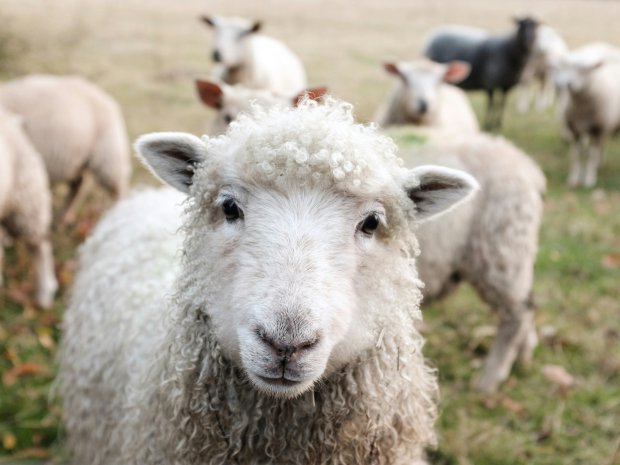
Proper nutrition is vital when feeding pregnant ewes and cows to ensure healthy pregnancies, strong lambs and calves, and optimal flock and herd performance. During late pregnancy, ewes and cows experience increased energy, protein, and mineral requirements — particularly in the final weeks before lambing or calving. Without the right diet, animals can suffer from deficiencies that affect fertility, immune health, and offspring growth.
Farmers can support their stock by providing high-quality forage, balanced concentrates, and targeted mineral supplementation. Products like our All Guard Bolus Range for Ewes & Lambs delivers essential trace elements over months, helping prevent deficiencies and supporting ewe health and lamb vigour. For cattle, carefully chosen minerals and supplements ensure pregnant cows stay in condition and give birth to strong, healthy calves. In this guide, we explore practical feeding tips for pregnant ewes and cows to help your farm thrive.
Feeding Pregnant Ewes
Ewes have specific nutritional needs that change throughout pregnancy, particularly in the last 6–8 weeks before lambing when most foetal growth occurs. During this period, the ewe’s energy and protein requirements increase, but her rumen space decreases — meaning she cannot eat as much forage as earlier in gestation.
Key Nutritional Priorities for Ewes
- Forage first: Good quality grass, hay or silage should form the foundation of the diet.
- Supplementary concentrates: As lambing approaches, quality concentrates can help meet higher energy and protein demands. How much you feed depends on forage quality and ewe condition — regular body condition scoring is essential.
- Minerals and trace elements: These support immune function, fertility, foetal development and colostrum quality. Minerals like iodine, selenium, cobalt and zinc are often needed especially when grazing pasture alone isn’t enough.
Mineral support from Farm Vet Supplies
- All Guard Sheep Boluses Ewe 5-in-1 – A slow?release bolus supplying iodine, selenium, cobalt, zinc and copper, ideal where pasture may be deficient in key trace elements.
- All Guard Sheep Boluses Ewe 4-in-1 – Delivers four essential trace minerals to support ewe health through pregnancy and lambing.
These boluses provide consistent nutritional supplementation over months, helping prevent mineral deficiencies that can compromise lambing success.
We are running a 10% discount on our All Guard Range & Precision Microbes (Calves) from 20th February-31st March 2026, don’t miss out!
All Guard RangePrecision Microbes - Calves Feeding Pregnant Cows
Like ewes, pregnant cows’ nutritional needs increase as they near calving — particularly in the last trimester as the calf grows rapidly and udder development accelerates. Cows require energy, protein, vitamins and minerals in the correct balance to support both their own condition and the health of their future calf.
Cow Nutrition Basics
- Good forage is essential: High?quality grass or conserved forages should form the core diet.
- Energy and protein: Cows carrying large calves or multiple calves may need additional energy and protein sources, especially if forage quality is low.
- Minerals and vitamins: Trace elements like copper, selenium, zinc and iodine, plus vitamins A, D and E, play vital roles in reproductive performance and immune health.
Complementary nutritional support
Cattle Supplement Range
Farm Vet Supplies stocks supplements designed to support cattle through late pregnancy, helping ensure cows and calves get the trace elements they need when pasture alone isn’t enough.Practical Feeding Tips for Success
Here are some practical pointers you can apply on farm:
- Monitor body condition: Adjust feeding to maintain ewes and cows in the appropriate condition score — not too thin, not overweight.
- Feed for forage quality: Have forage analysed so you know what nutrients are lacking and can tailor supplementary feeds appropriately.
- Split concentrates: For ewes late in pregnancy, smaller frequent feeds reduce the risk of digestive upsets and help meet their needs without overloading the rumen.
- Water and intake: Always ensure clean, abundant water is available — hydration supports intake and digestion.
Why Nutrition Matters
Good nutrition in pregnancy is not just about meeting daily feed targets — it directly affects:
- Conception and fertility
- Lamb and calf birthweight and vigour
- Colostrum quality
- Immune strength of both dam and offspring
Balanced nutrition helps reduce metabolic disorders, improves lamb and calf survival, and sets your stock up for a productive lactation and future breeding cycle.
If you would like to chat about which products would be especially beneficial to your cows and ewes, please do not hesitate to get in contact with us.
Contact Us-
Posted by Farm Vet Supplies
18th February 2026




SUPPLYING TO FARMERS, VETERINARY PRACTICES & PET OWNERS ACROSS THE UK, ROI AND NORTHERN IRELAND