Protecting Your Livestock During Summer: Health Risks & Prevention Tips
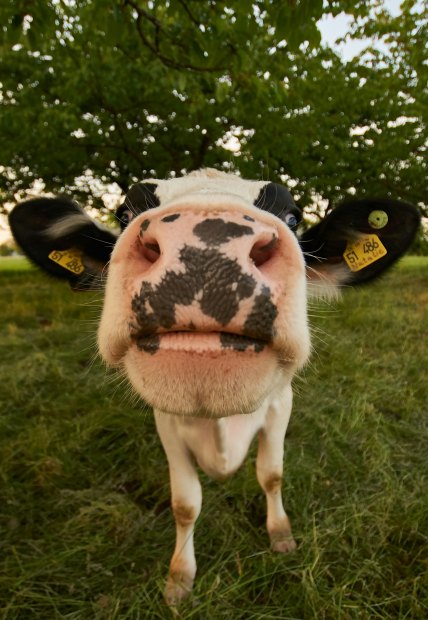
Summer brings longer days, better grazing conditions and opportunities to maximise livestock performance. However, warmer temperatures and changing weather patterns can also create a range of health challenges for cattle, sheep and youngstock.
From fly burdens and heat stress to dehydration and digestive upsets, being proactive during the summer months can help reduce production losses, improve animal welfare and minimise costly veterinary interventions.
1. Fly Problems and Irritation
One of the most common summer challenges on UK farms is increased fly activity. Flies are more than just a nuisance — they can cause stress, reduce feed intake, spread disease and negatively affect weight gain and milk production.
In cattle, flies commonly gather around the eyes, face and backline, causing irritation and constant movement. Sheep can also suffer from fly-related issues, particularly during warm, humid periods.
Signs to watch for:
-
Constant tail swishing
-
Head shaking
-
Excessive rubbing
-
Animals bunching together
-
Reduced grazing time
-
Eye irritation
Good pasture management, regular muck removal and strategic fly control measures can all help reduce fly pressure throughout the summer.
Related products:
-
Fly & Lice Spot On 1% (for farmers with an appropriate veterinary prescription)
-
Leovet Phaser Durative Fly Repellent Gel for horses and equines on mixed farms.
2. Heat Stress and Dehydration
Although UK summers are generally milder than those in many parts of the world, livestock can still suffer from heat stress during prolonged hot spells.
High temperatures can reduce feed intake, lower milk yields and negatively impact fertility. Cattle are particularly vulnerable, especially high-yielding dairy cows.
Signs of heat stress include:
-
Increased panting
-
Open-mouth breathing
-
Excessive salivation
-
Reduced feed intake
-
Lethargy
-
Congregating around water sources
Ensuring constant access to clean drinking water, providing shade where possible and avoiding unnecessary handling during the hottest parts of the day can all help reduce stress.
Young calves are especially susceptible to dehydration when experiencing digestive disturbances.
Related products:
-
Hydroforce Electrolyte Tablets can support hydration during periods of digestive upset and recovery.
3. Digestive Upsets Following Grazing Changes
Summer grazing often brings rapid grass growth, changes in forage quality and increased concentrate feeding in some systems. These dietary changes can disrupt rumen function and increase the risk of digestive disorders.
Youngstock and recently housed or transported animals may be particularly vulnerable.
Watch for:
-
Reduced appetite
-
Loose dung
-
Bloating
-
Poor rumen fill
-
Reduced growth rates
Maintaining a consistent feeding programme and supporting rumen health during stressful periods can help minimise problems.
Related products:
-
Provita WD Probiotic helps support healthy gut flora during periods of stress.
-
Pro Cud Stomach Powder is designed to support rumen function and help maintain healthy digestion in cattle.
4. Increased Disease Pressure and Biosecurity Risks
Warmer temperatures can encourage the survival and spread of bacteria, viruses and parasites, particularly around housing areas, calf pens, feeding equipment and water troughs.
Summer is also a busy period for livestock movements, grazing changes and introducing replacement stock, all of which can increase disease transmission risks.
Biosecurity measures to prioritise:
-
Regular cleaning and disinfection
-
Isolating incoming animals where possible
-
Keeping feeding and watering equipment clean
-
Maintaining good drainage around high-traffic areas
A robust hygiene programme remains one of the most effective ways to reduce disease pressure.
Related products:
-
Farm Disinfectants Range for maintaining biosecurity across livestock enterprises.
5. Stress Around Handling, Transport and Routine Procedures
Summer often means increased livestock movements, vaccinations, weighing, transport and management procedures.
Even routine handling can increase stress levels, affecting performance, immunity and overall animal wellbeing.
Stress can contribute to:
-
Reduced feed intake
-
Lower growth rates
-
Weakened immune responses
-
Increased disease susceptibility
Careful planning, calm stock handling and minimising time spent in collecting yards during hot weather can all help reduce stress.
Related products:
-
FerAppease Bovine is designed to help support cattle during routine management procedures and other potentially stressful situations.
6. Parasite Challenges During the Grazing Season
Summer grazing creates ideal conditions for many internal and external parasites. Worm burdens can impact growth rates, fertility and overall productivity if left unmanaged.
Monitoring grazing groups, carrying out faecal egg counts where appropriate and working with your vet or SQP to develop a parasite control strategy are all important steps.
Common indicators include:
-
Poor weight gain
-
Scouring
-
Reduced milk production
-
Poor body condition
-
General lack of thrift
Parasite management should always form part of a wider herd or flock health plan.
Final Thoughts
Summer can be one of the most productive periods of the year, but it also presents several health risks that can affect livestock performance and profitability.
By staying vigilant for signs of fly irritation, heat stress, dehydration, digestive upset and disease pressure, farmers can take early action and reduce the likelihood of more serious health issues developing.
Planning ahead, maintaining good hygiene standards and supporting livestock through periods of stress can go a long way towards keeping animals healthy and productive throughout the grazing season.
Shop by Species-
-
Posted by Farm Vet Supplies
1st June 2026




SUPPLYING TO FARMERS, VETERINARY PRACTICES & PET OWNERS ACROSS THE UK, ROI AND NORTHERN IRELAND