Winter & Christmas Hazards: How to Keep Your Pets Safe This Festive Season
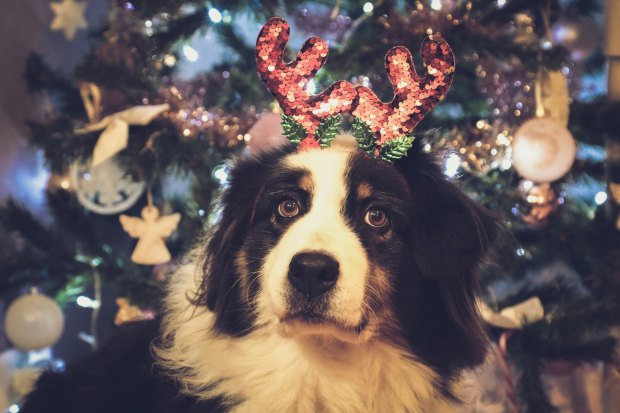
Winter & Christmas Hazards: How to Keep Your Pets Safe This Festive Season
Christmas is a wonderful time of year, with festive food, decorations, visitors and presents bringing plenty of excitement into our homes.
But for our pets, some of these seasonal changes can introduce unexpected hazards. From tempting festive treats to decorations, winter plants and cold-weather chemicals, it's worth knowing what to look out for.
Here are some common winter and Christmas hazards to keep away from curious cats and dogs.
1. Festive foods that can be dangerous
Christmas often means more food around the home, and curious pets may be quick to investigate anything left within reach.
However, some festive favourites can be toxic to cats and dogs.
Raisins, sultanas and currants
These dried fruits are particularly dangerous and can cause serious kidney damage in dogs. They're commonly found in:
- Mince pies
- Christmas pudding
- Christmas cake
- Fruit cake and other festive bakes
Even small quantities can be harmful, so keep these foods well out of reach.
Chocolate
Chocolate contains theobromine, which is toxic to dogs and cats. Dark chocolate and cooking chocolate generally contain higher levels, but all chocolate should be kept away from pets.
Onions, garlic and leeks
These ingredients can damage red blood cells and cause anaemia. They're often found in stuffing, gravy, sauces and leftovers, so avoid sharing these with your pets.
Alcohol and foods containing alcohol
Even small amounts of alcohol can be dangerous to pets. Keep drinks, alcoholic desserts and unattended glasses out of reach.
Cooked bones
Leftover turkey and chicken bones may seem like a tempting treat, but cooked bones can splinter and cause choking, internal injuries or intestinal blockages.
Top tip: Keep food, leftovers and edible presents securely stored, and remind visitors not to feed your pets from the table.
2. Watch out for festive plants
Seasonal plants and decorations can brighten up the home, but some can cause problems if chewed or eaten.
Keep these plants out of reach:
- Poinsettia: Can cause irritation to the mouth and stomach upset.
- Holly: Berries and leaves can cause vomiting and diarrhoea.
- Mistletoe: Berries can cause digestive upset if eaten.
- Ivy: Can cause irritation, vomiting and diarrhoea.
- Lilies: Particularly dangerous to cats. Exposure to pollen, leaves or flowers can cause life-threatening kidney damage.
If you have cats, it's safest to avoid bringing lilies into the home altogether.
3. Christmas decorations and presents
Baubles, tinsel, ribbons and wrapping paper can all look like exciting new toys to curious pets.
Unfortunately, chewing or swallowing them can lead to choking, injuries or intestinal blockages.
Keep an eye on:
Baubles: Broken decorations can cause cuts, while swallowed pieces may cause internal injuries or blockages.
Tinsel: Can cause serious intestinal problems if swallowed.
Ribbons and string: Can become tangled or cause dangerous internal injuries.
Christmas lights: Chewing electrical cables can cause burns or electric shocks.
Wrapping paper and packaging: Foil, plastic and small pieces can cause choking or digestive problems.
Children's toys can also present a risk. Small parts, detachable accessories, batteries and plastic components may be swallowed by inquisitive pets.
Make sure toys are tidied away after playtime, and keep batteries and small objects securely stored.
Top tip: Keep decorations out of reach where possible, supervise pets around the Christmas tree and clear away wrapping paper and packaging after opening presents.
4. Winter hazards outside the home
It's not just Christmas itself that brings additional risks. Cold weather can introduce hazards when walking dogs or allowing pets outside.
Antifreeze
Antifreeze is extremely toxic to pets, even in small quantities. It can leak from vehicles or be spilled during car maintenance.
Keep containers securely stored and clean up any spills immediately. Never allow pets to investigate puddles or spills around vehicles.
Rock salt and de-icers
Salt and grit used on roads and pavements can irritate paws and may cause illness if licked from fur or swallowed.
After winter walks, wipe your dog's paws and lower legs with a damp cloth and dry them thoroughly.
Frozen water
Frozen ponds and lakes can be dangerous. Keep dogs away from icy water, as the ice may not be strong enough to support their weight.
Cold and wet weather
Older pets, young animals and those with existing health conditions may be more vulnerable to cold weather.
Provide a warm, dry place to rest and consider whether your pet needs a suitable coat for walks, particularly if they have a short coat or struggle with the cold.
5. Don't forget the importance of routine
Christmas can be a busy and sometimes overwhelming time for pets. Visitors, children, noise and changes to their usual routine can all cause stress.
A few simple steps can help your pet feel more comfortable:
- Keep feeding and walking routines as consistent as possible.
- Provide a quiet, comfortable space where they can retreat.
- Make sure children understand when to give pets space.
- Introduce visitors calmly and allow pets to approach in their own time.
- Keep familiar bedding and toys available.
Remember, not every pet enjoys the excitement of Christmas. Giving them the choice to retreat somewhere quiet can make a big difference.
What should you do if your pet eats something they shouldn't?
If you think your pet has eaten something potentially toxic or swallowed a foreign object, contact your veterinary practice immediately, even if they seem perfectly well.
Some toxins don't cause immediate symptoms, and waiting for signs of illness could delay essential treatment.
If possible:
- Keep the packaging or take a photograph of what your pet has eaten.
- Make a note of how much they may have swallowed and when.
- Follow your vet's advice.
Never try to make your pet vomit or give home remedies unless specifically instructed by a veterinary professional.
Enjoy a safe and happy Christmas with your pets
A little preparation can go a long way towards keeping your pets safe over the festive period.
Keep tempting foods out of reach, take care with decorations and plants, and be mindful of winter hazards both inside and outside the home.
Most importantly, remember that your pets are part of the family. With a little extra care, you can help make Christmas a happy and healthy time for everyone.
From all of us at Farm Vet Supplies, we wish you and your animals a very Merry Christmas!
-
Posted by Farm Vet Supplies
28th November 2026



SUPPLYING TO FARMERS, VETERINARY PRACTICES & PET OWNERS ACROSS THE UK, ROI AND NORTHERN IRELAND