Moving Cattle Indoors: Managing Stress and Protecting Herd Health
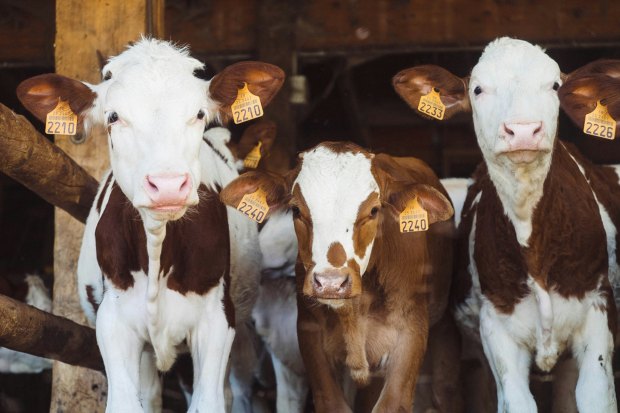
Moving Cattle Indoors: Managing Stress and Protecting Herd Health This Winter
As temperatures drop and cattle begin moving indoors for winter, it's important to think beyond preparing sheds and changing feeding routines. Housing can be a significant period of stress for cattle, with changes to their environment, diet, social groups and daily routine all having an impact on their wellbeing.
A little forward planning can help make the transition smoother, reduce avoidable stress and support herd health throughout the winter months.
Here are some key considerations when preparing to bring cattle indoors.
1. Managing stress when moving cattle indoors
Moving cattle into winter housing can involve several stressors happening close together. Handling, transportation, mixing unfamiliar animals, changes in feed and reduced space can all contribute.
Stress is more than just a behavioural response. It can affect immune function and leave cattle more susceptible to respiratory disease, particularly when combined with close contact, poor ventilation or high stocking densities.
There are several practical ways to make the transition easier:
-
Keep handling calm: Avoid unnecessary noise, rushing or rough handling. Allow cattle time to move at their own pace.
-
Maintain familiar groups: Where possible, avoid mixing unfamiliar animals, as changes to social groups can create additional stress.
-
Prepare housing in advance: Make sure sheds are clean, dry and well ventilated, with sufficient space for the animals being housed.
-
Avoid combining stressful procedures: Where possible, plan activities such as weaning, castration and dehorning separately from housing.
-
Introduce dietary changes gradually: Give cattle time to adjust to changes in forage and feeding routines.
Supporting cattle through the transition with FerAppease
For additional support during potentially stressful management events, FerAppease Bovine is designed to help mitigate the effects of stress in healthy cattle.
FerAppease is a topical product containing a synthetic analogue of Maternal Bovine Appeasing Substance (mBAS), a naturally occurring substance associated with calming and appeasing behaviour.
It can be used around routine on-farm activities that may raise stress levels, including:
-
Moving and mixing cattle
-
Transportation
-
Weaning
-
Vaccination
-
TB testing
-
Calving and drying off
Applied topically, FerAppease can form part of a wider approach to managing stress during winter housing. It should complement, rather than replace, good handling and husbandry practices.
Farm Vet Supplies currently has FerAppease Bovine on offer.
Please note: The FerAppease applicator is sold separately.
Shop Ferappease Bovine2. Don't overlook parasite control
Bringing cattle indoors provides a useful opportunity to review your herd's parasite control programme. However, treatment should always be based on the farm's parasite history, risk factors and appropriate testing, rather than automatically treating every animal.
Two particular considerations during winter housing are liver fluke and external parasites such as lice.
Liver fluke
Liver fluke remains an important consideration following the grazing season, particularly where cattle have been grazing wet or high-risk pasture.
Housing can provide an opportunity to assess whether treatment is required. However, different treatments work against different stages of the parasite's lifecycle, so the timing and choice of treatment matter.
Consider:
-
Reviewing the farm's history of liver fluke.
-
Using appropriate testing and veterinary advice to assess infection risk.
-
Ensuring any treatment selected is suitable for the parasite stage being targeted.
-
Checking product instructions and meat and milk withdrawal periods.
Lice and other external parasites
Lice can become more noticeable during the housing period, as cattle are in closer contact and spend more time indoors.
Look out for signs such as:
-
Increased rubbing and scratching
-
Hair loss or damaged coats
-
Irritated or scaly skin
-
Restlessness and discomfort
If you suspect an infestation, seek advice on diagnosis and appropriate treatment. The correct approach will depend on the parasite involved, the animals being treated and the relevant product indications.
Shop Cattle Parasite Control3. Review your vaccination programme
Winter housing can increase the risk of respiratory disease, particularly where cattle are mixed, housed at higher stocking densities or exposed to changes in ventilation and environmental conditions.
Planning vaccinations ahead of housing can help ensure cattle have time to develop immunity before the anticipated disease challenge.
Depending on your herd's health history and management system, it may be worth discussing vaccination against:
-
Respiratory disease: Including pathogens associated with bovine respiratory disease, such as RSV, PI3 and IBR.
-
Bovine viral diarrhoea (BVD): Review your herd's BVD status and vaccination programme with your vet.
-
Clostridial diseases: Consider whether protection against diseases such as blackleg is appropriate for your stock.
Vaccination requirements will vary between farms. Your vet can help identify the most relevant risks and build a programme around your herd.
It's also important to plan ahead. Some vaccines require a primary course or booster doses, and vaccination should not simply be added to an already stressful housing day. Follow the product instructions, including storage requirements, and vaccinate healthy animals as advised.
Farm Vet Supplies stocks a range of cattle vaccines, including products for respiratory disease and other cattle health considerations.
4. Get housing conditions right
Even the best health plan can be undermined by unsuitable housing. Once cattle are indoors, their environment plays an important role in maintaining health and reducing disease pressure.
Before housing, check:
-
Ventilation: Ensure there is a good supply of fresh air without creating draughts at animal level.
-
Stocking density: Avoid overcrowding and allow sufficient space for cattle to rest and move comfortably.
-
Bedding: Keep bedding clean and dry, topping up and replacing it as needed.
-
Water: Check that all animals have access to a reliable supply of clean, fresh water.
-
Hygiene: Clean and disinfect housing and equipment appropriately, paying attention to areas where disease may spread.
For farm biosecurity, Farm Vet Supplies also stocks Antec Virkon S disinfectant.
5. Make winter housing preparation part of your herd health plan
Moving cattle indoors is an important management change, but it doesn't have to mean a difficult transition.
By planning ahead, handling cattle calmly, reviewing parasite control, checking vaccination requirements and providing suitable housing, you can help support herd health throughout the winter.
And don't forget to consider stress as part of that preparation. Products such as FerAppease can offer additional support around routine management events, alongside good husbandry and low-stress handling.
Getting the basics right now can help set your cattle up for a healthier, more comfortable winter.
View Full Cattle Range-
-
Posted by Farm Vet Supplies
9th November 2026




SUPPLYING TO FARMERS, VETERINARY PRACTICES & PET OWNERS ACROSS THE UK, ROI AND NORTHERN IRELAND